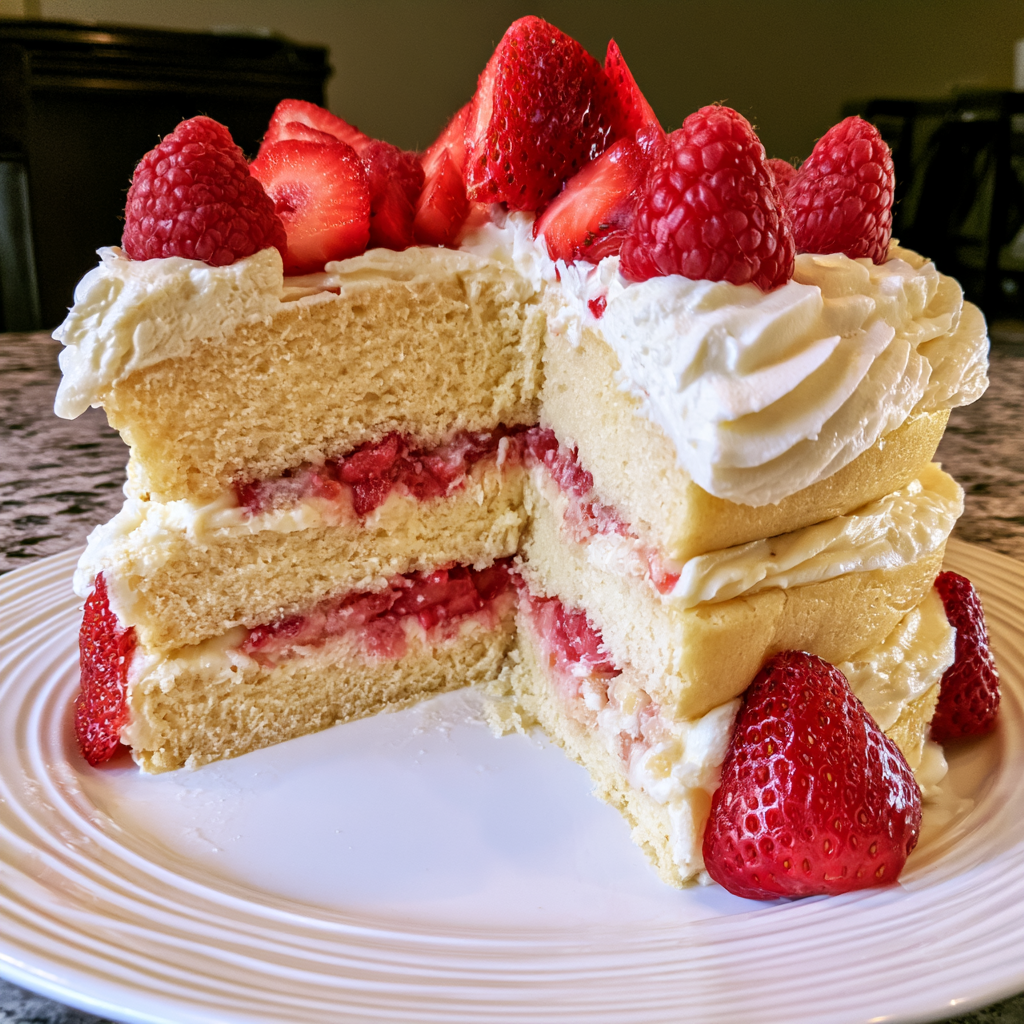
There is something timeless about a beautifully baked Homemade Vanilla Layer Cake. With soft, tender layers, a delicate vanilla flavor, and creamy frosting between every layer, this classic cake is perfect for birthdays, holidays, family celebrations, or an ordinary weekend when you’re in the mood to bake.
This recipe is designed for anyone looking for a moist vanilla cake from scratch without complicated techniques or unusual ingredients. The cake has a light, buttery crumb while still being sturdy enough to stack and frost. A generous layer of vanilla buttercream brings everything together for a dessert that feels both simple and special.
If you’ve been searching for the best vanilla cake recipe, this is a reliable homemade version that’s easy to customize.
Why You’ll Love This Homemade Vanilla Layer Cake
This cake deserves a place in your collection of homemade cake recipes because it’s versatile, dependable, and delicious.
- Soft and moist texture
- Rich vanilla flavor
- Made completely from scratch
- Simple ingredients
- Easy to layer and decorate
- Perfect for birthdays
- Great with homemade buttercream
- Easy to customize with different fillings
Unlike some cakes that become dry after chilling, the combination of butter, oil, and buttermilk helps keep these layers tender and moist.
Ingredients
For the Vanilla Cake
- 2½ cups all-purpose flour
- 2½ teaspoons baking powder
- ½ teaspoon baking soda
- ½ teaspoon salt
- ¾ cup unsalted butter, softened
- ¼ cup vegetable oil
- 1½ cups granulated sugar
- 4 large eggs
- 2 teaspoons pure vanilla extract
- 1 cup buttermilk
- ¼ cup whole milk
For the Vanilla Buttercream
- 1 cup unsalted butter, softened
- 4 cups powdered sugar
- 2 teaspoons vanilla extract
- 3–4 tablespoons heavy cream or milk
- ¼ teaspoon salt
How to Make Homemade Vanilla Layer Cake
Step 1: Prepare the Cake Pans
Preheat the oven to 350°F (175°C).
Grease two 9-inch round cake pans and line the bottoms with parchment paper.
Lightly flour the sides of the pans.
The parchment helps the cake layers release easily after baking.
Step 2: Mix the Dry Ingredients
In a medium bowl, whisk together the flour, baking powder, baking soda, and salt.
Set the mixture aside.
This helps distribute the leavening agents evenly so the cake rises consistently.
Step 3: Cream the Butter and Sugar
In a large mixing bowl, beat the softened butter, oil, and sugar together for approximately 3–4 minutes.
The mixture should become pale and fluffy.
This step helps create a lighter crumb.
Add the eggs one at a time, mixing well after each addition.
Stir in the vanilla extract.
Step 4: Combine the Batter
Add about one-third of the dry ingredients to the butter mixture.
Mix gently.
Add half of the buttermilk and milk mixture, followed by another third of the dry ingredients.
Continue alternating the wet and dry ingredients, ending with the remaining flour mixture.
Mix just until combined.
Avoid overmixing because it can develop too much gluten and make the cake dense.
Bake the Cake Layers
Divide the batter evenly between the prepared cake pans.
Smooth the tops with a spatula.
Bake for approximately 28–33 minutes.
The cake is ready when the tops spring back lightly when touched and a toothpick inserted into the center comes out clean or with a few moist crumbs.
Don’t overbake the cake.
Remove the pans from the oven and allow them to cool for approximately 10 minutes.
Run a thin knife around the edges, then carefully turn the cakes onto a wire rack.
Allow them to cool completely before frosting.
Make the Vanilla Buttercream
While the cake cools, prepare the frosting.
Beat the softened butter until smooth and creamy.
Gradually add the powdered sugar, mixing on low speed.
Add the vanilla extract and salt.
Slowly add the heavy cream or milk until the frosting reaches a smooth, spreadable consistency.
Increase the mixer speed and beat for 2–3 minutes until light and fluffy.
If the frosting is too thick, add a little more cream.
If it’s too soft, add additional powdered sugar.
Assemble the Layer Cake
Place one completely cooled cake layer on a serving plate or cake stand.
Spread a generous layer of vanilla buttercream over the top.
Place the second cake layer on top.
Cover the top and sides with the remaining frosting.
For a simple homemade appearance, use a spatula to create soft swirls around the cake.
You can also decorate the top with sprinkles, fresh berries, white chocolate curls, or small piped buttercream flowers.
Tips for the Best Vanilla Cake Recipe
Use Room-Temperature Ingredients
Room-temperature butter, eggs, buttermilk, and milk combine more easily and help create an even batter.
Don’t Overmix
Once the flour is added, mix only until everything is incorporated.
Measure Flour Correctly
Too much flour can make a vanilla cake dry. Spoon flour into your measuring cup and level it rather than packing it down.
Use Pure Vanilla Extract
Pure vanilla extract gives the cake a warm, natural flavor.
For an even stronger vanilla flavor, you can add a small amount of vanilla bean paste.
Don’t Overbake
The cake should be removed from the oven as soon as a toothpick comes out clean or with a few moist crumbs.
How to Make a Moist Vanilla Cake From Scratch
The secret to a moist vanilla cake from scratch is balancing the ingredients.
Butter provides rich flavor, while a small amount of vegetable oil helps keep the crumb soft. Buttermilk adds moisture and acidity, while the combination of baking powder and baking soda creates a light texture.
Letting the cake cool completely before frosting also helps preserve its structure.
Easy Variations
Strawberry Vanilla Cake
Spread strawberry jam or fresh sliced strawberries between the layers.
Lemon Vanilla Cake
Add 1 tablespoon of fresh lemon zest to the batter and replace part of the milk with lemon juice.
Chocolate Vanilla Cake
Add a thin layer of chocolate frosting between the vanilla layers.
Birthday Cake
Fold colorful sprinkles into the batter and decorate the finished cake with additional sprinkles.
Berry Vanilla Cake
Add fresh blueberries, raspberries, or strawberries between the layers with vanilla buttercream.
How to Serve
This Homemade Vanilla Layer Cake is delicious on its own, but you can serve it with:
- Fresh strawberries
- Raspberries
- Blueberries
- Whipped cream
- Vanilla ice cream
- Chocolate sauce
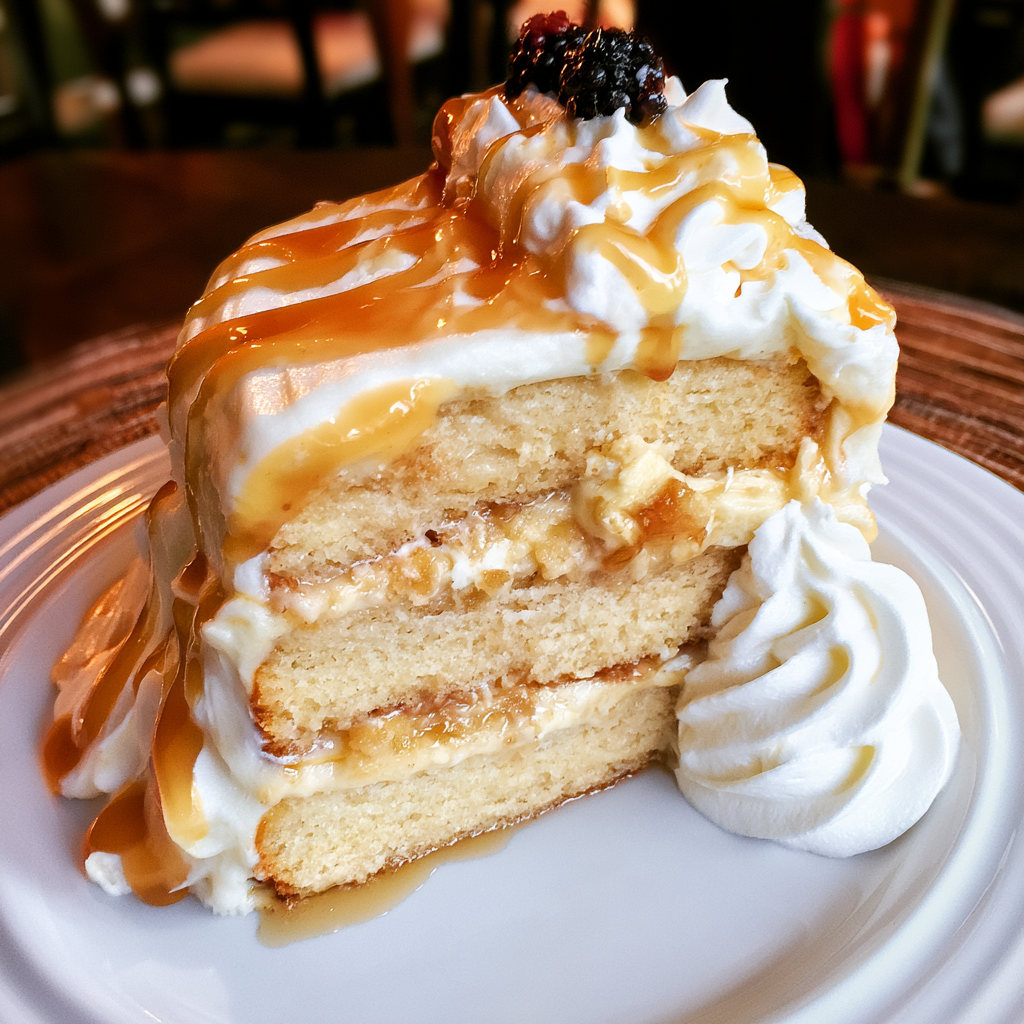
- Caramel sauce
- Fresh fruit compote
For birthdays, add colorful sprinkles and candles for a classic celebration cake.
Storage
Store the frosted cake in an airtight cake container at room temperature for up to 2 days if your kitchen is cool.
For longer storage, refrigerate it for up to 5 days.
Allow refrigerated slices to sit at room temperature for about 20–30 minutes before serving for the best texture.
The unfrosted cake layers can be wrapped tightly and frozen for up to 3 months.
Frequently Asked Questions
Can I make this cake in advance?
Yes. Bake the cake layers up to one day ahead, wrap them tightly, and store them at room temperature or in the refrigerator before assembling.
Why did my vanilla cake turn out dry?
Overbaking or adding too much flour are the most common causes. Measure the flour carefully and check the cake before the full baking time is complete.
Can I use milk instead of buttermilk?
Yes. Add 1 tablespoon of lemon juice or white vinegar to a measuring cup, then add milk until it reaches 1 cup. Let it sit for about 5 minutes before using.
Can I make cupcakes with this batter?
Yes. Divide the batter among lined muffin cups and begin checking them after about 18–22 minutes.
Final Thoughts
This Homemade Vanilla Layer Cake proves that a classic cake doesn’t need complicated ingredients or decorating techniques to be special. Its soft crumb, rich vanilla flavor, and creamy buttercream make it a wonderful choice for almost any celebration.
If you’re searching for a moist vanilla cake recipe, an easy simple cake recipe, or the best vanilla cake recipe for birthdays and family gatherings, this homemade version is one you’ll want to make again and again. Customize it with fresh berries, sprinkles, jam, or chocolate for a cake that’s completely your own.
Homemade Vanilla Layer Cake
Ingredients
Method
- Preheat the oven to 350°F (175°C).
- Grease two 9-inch round cake pans and line the bottoms with parchment paper.
- In a medium bowl, whisk together flour, baking powder, baking soda, and salt.
- In a large bowl, beat softened butter, vegetable oil, and sugar for 3–4 minutes, until light and fluffy.
- Add the eggs one at a time, mixing well after each addition.
- Stir in the vanilla extract.
- Add one-third of the dry ingredients and mix gently.
- Add half of the buttermilk and milk mixture.
- Repeat with another third of the dry ingredients, followed by the remaining milk mixture.
- Add the remaining dry ingredients and mix just until combined. Do not overmix.
- Divide the batter evenly between the prepared cake pans.
- Smooth the tops with a spatula.
- Bake for 28–33 minutes, or until a toothpick inserted in the center comes out clean or with a few moist crumbs.
- Let the cakes cool in the pans for 10 minutes.
- Carefully remove the cakes and transfer them to a wire rack to cool completely.
- To make the frosting, beat softened butter until smooth and creamy.
- Gradually add powdered sugar, mixing on low speed.
- Add vanilla extract and salt.
- Slowly add heavy cream or milk until the frosting reaches a smooth, spreadable consistency.
- Beat the frosting on medium-high speed for 2–3 minutes, until light and fluffy.
- Place one cooled cake layer on a serving plate.
- Spread a generous layer of vanilla buttercream over the top.
- Place the second cake layer on top.
- Frost the top and sides of the cake with the remaining buttercream.
- Decorate with sprinkles, berries, piped frosting, or other toppings if desired.
- Slice and serve
Notes
- Use room-temperature eggs, butter, buttermilk, and milk for the best texture.
- Measure flour carefully to avoid a dry cake.
- Don’t overmix the batter after adding the flour.
- Pure vanilla extract provides the best flavor.
- Vanilla bean paste can be used for an even stronger vanilla flavor.
- Check the cake a few minutes before the minimum baking time to prevent overbaking.
- Allow the cake layers to cool completely before frosting.
- Store the frosted cake covered at room temperature for up to 2 days or refrigerate for up to 5 days.
- Unfrosted cake layers can be wrapped tightly and frozen for up to 3 months.